
-
“Tradition does not vanish with modernity – it transforms, it continues, it reinvents itself.”- Magda DanyszActive Memory brings together eight major artists from the contemporary Chinese scene and offers a renewed reading of China’s cultural heritage. Rather than opposing past and present, the works on view show that tradition does not disappear with modernity. It transforms, extends and reinvents itself.
-
Legacy in transition

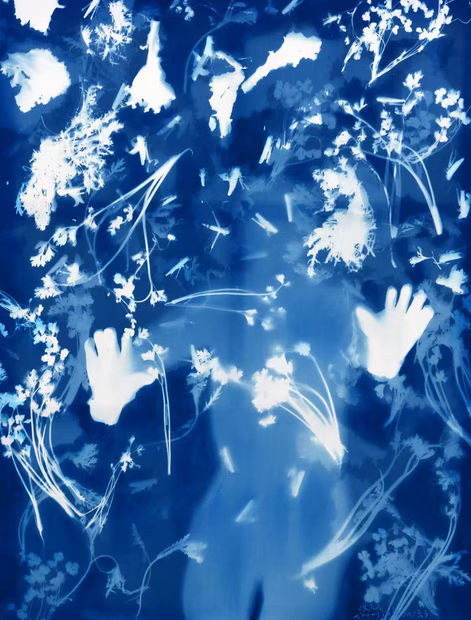
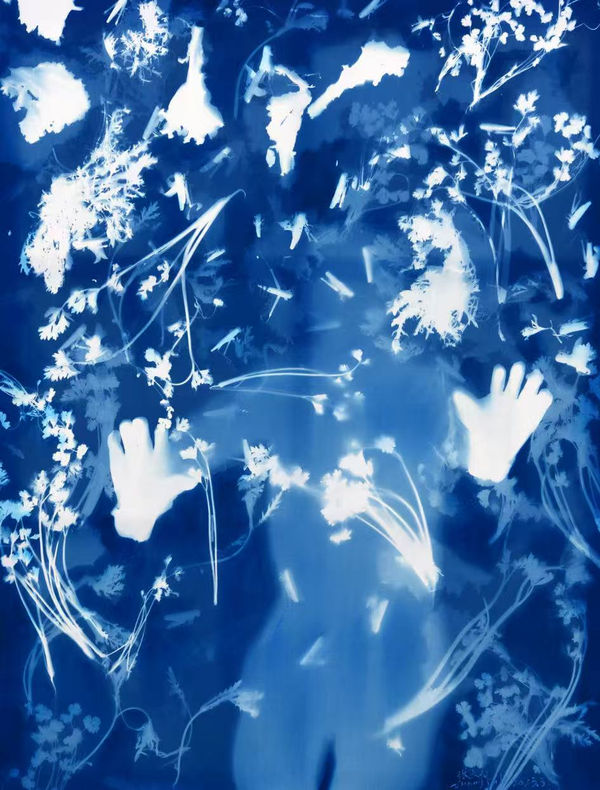
Zhang Dali, Wild flowers, 2023
-
-
-
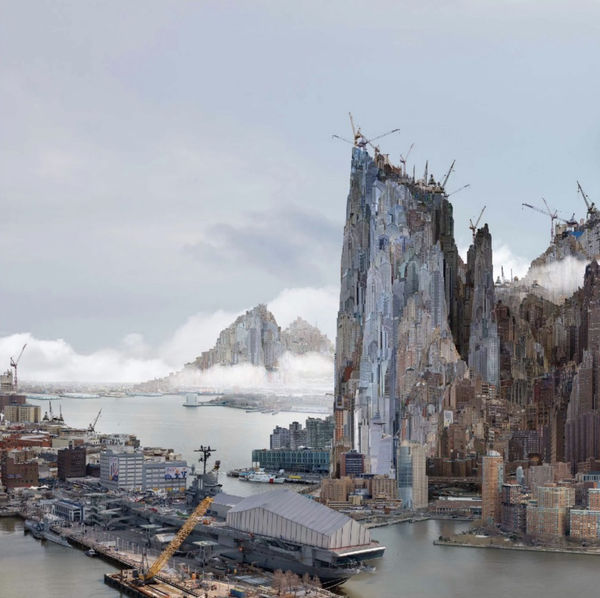
A pioneer of contemporary Chinese art, Huang Rui (born in 1952) founded the Xing Xing (“The Stars Art Group”) group in 1979, the first post-Maoist movement for freedom of expression. His multidisciplinary work blends modern abstraction with the traditional philosophy of the Yi Jing (“Book of Changes”). His work inextricably links political engagement, spatial aesthetics, and historical heritage.Born in Harbin in 1963, Zhang Dali is a leading contemporary Chinese artist and pioneer of urban art in China. After discovering graffiti in Italy, he made a lasting impression in 1995 with his series “Dialogue” in which he tagged giant profiles on buildings slated for demolition in Beijing. His multidisciplinary work, which includes sculpture, photography, and painting, explores themes of memory, social violence, and the brutal transformations of Chinese society.Yang Yongliang (born in 1980) reinterprets traditional shanshui through digital technologies such as photographic collage and 4K video. His monumental landscapes, which from a distance evoke classical ink paintings, reveal upon closer inspection megacities saturated with construction sites and urban infrastructure. Through this striking aesthetic, he explores the tensions between rampant modernity and cultural heritage, denouncing the impact of urbanization on nature.
-
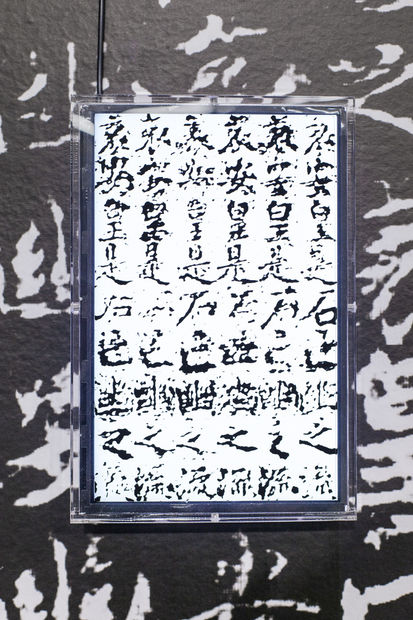
Deconstruction of traditional writing
aaajiao, Typeface, 2016 -
« Technology is a driving force for the art of our time. »
- Li Zhenhua
-
-
Stretch of tradition
-
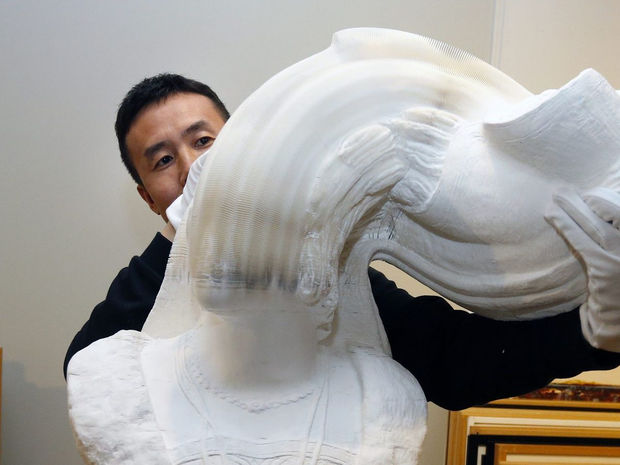
A Beijing-based artist born in 1974, Li Hongbo reimagines traditional paper lantern craftsmanship to reinvent sculpture. His process involves strategically stacking thousands of sheets, glued together point by point to create a honeycomb structure invisible to the naked eye. Appearing as rigid plaster busts, his creations unfold in space, transforming the human silhouette into an infinite geometric extension.
-
Connect the intimate with the universal
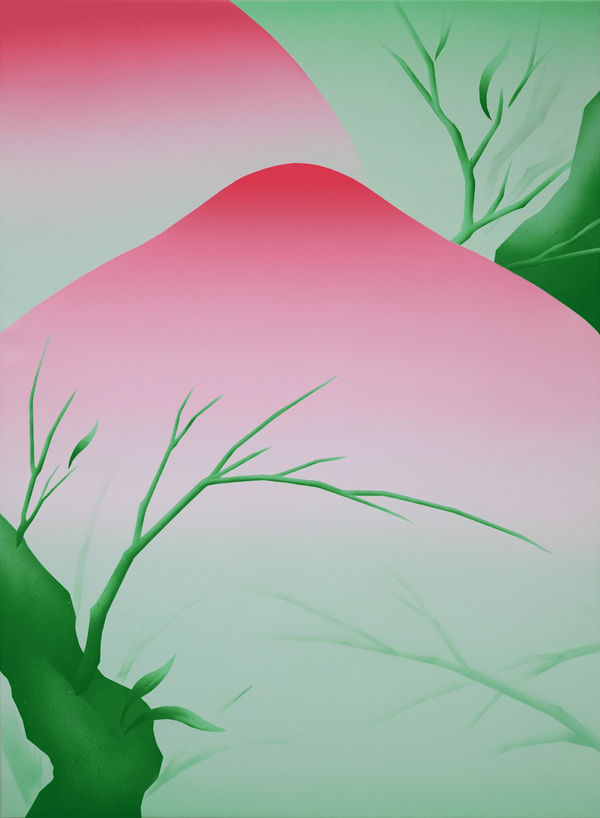
Zelam Lim, Sonata IV, 2025
-
-
-
Liu Bolin is a visual artist born in 1973 whose sculptural work questions the place of the individual. Initially trained in classical sculpture before the destruction of his studio in 2005 radicalized his approach, he explores the dissolution of identity by materializing a humanity swallowed up by technology. Through assemblages of electronic components, he transforms the body into a computer circuit to denounce the erasure of humanity in the face of digital progress.
-
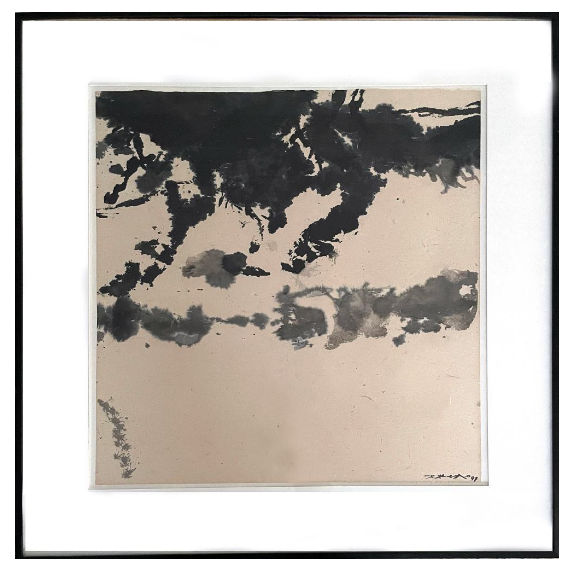
Zao Wou-Ki, Untitled, 1997







Welcome to our new website
We are glad to present you with our new website. Designed as a tool for more dialogue and discoveries around the artists we love, represent and support. We would be glad to hear from you about the parts you prefer and the ones you’d wish us to add. Certain time call for action, and we believe these will also call for more sharing and things done together. Do not hesitate to contact us so we can keep on growing… together.
* denotes required fields
We will process the personal data you have supplied in accordance with our privacy policy (available on request). You can unsubscribe or change your preferences at any time by clicking the link in our emails.